
Short Answer
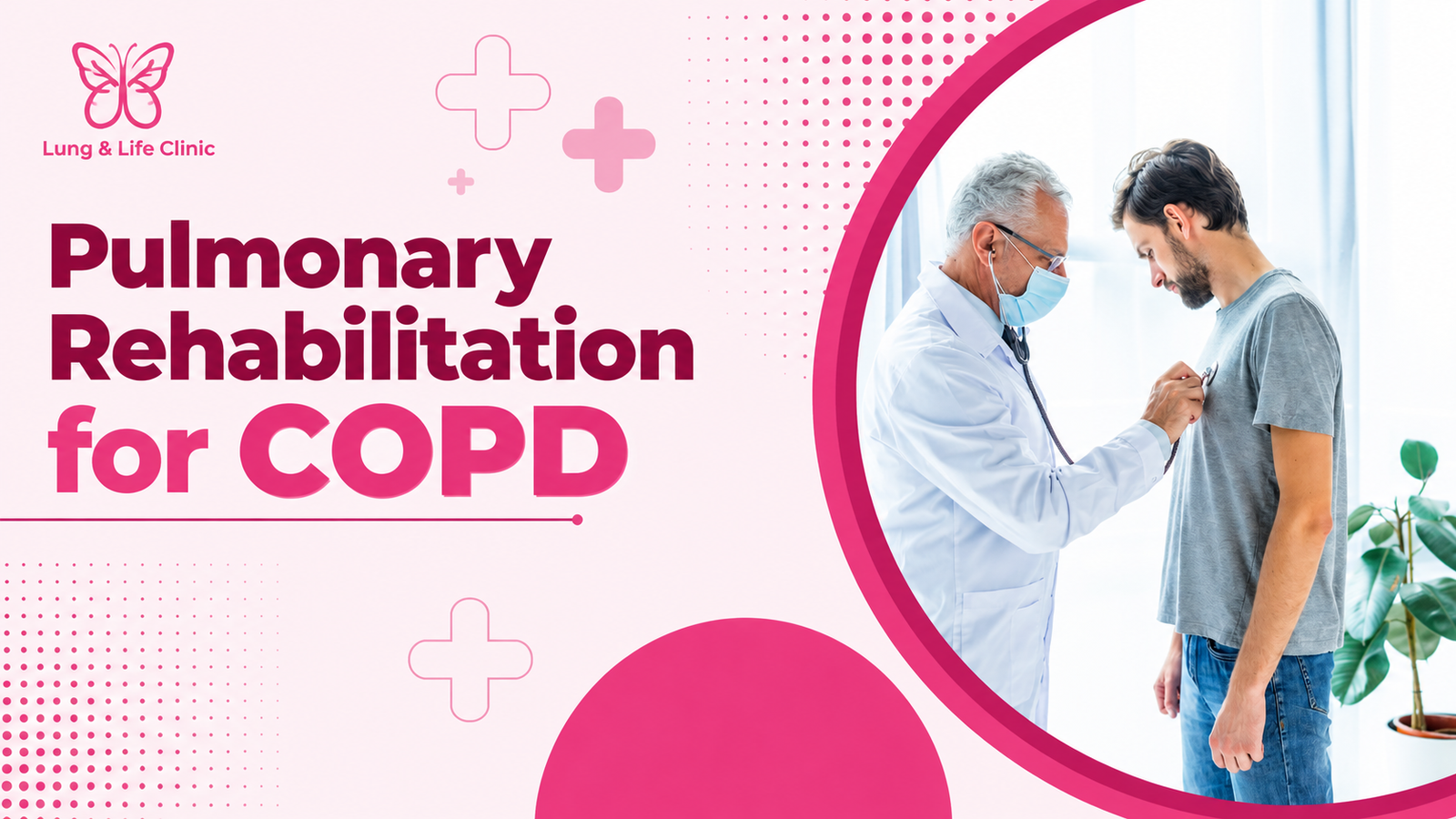
Pulmonary rehabilitation for COPD is a structured, evidence-based programme of supervised exercise, breathing training, education and nutrition support. It does not cure COPD, but it can reduce breathlessness, build stamina, improve quality of life and help you avoid hospital visits. A pulmonologist in Ghaziabad such as Dr. Utkarsh Gupta can assess whether the programme suits you.
Introduction
COPD refers to diseases of the lungs and airways that restrict breathing. Inhalers and other medicines open the airways, but they do not rebuild fitness. Many people with COPD slowly stop walking, climbing stairs or going out because breathlessness feels frightening. Muscles weaken, stamina drops and breathing becomes harder still.
Pulmonary rehabilitation COPD programmes break this cycle. Dr. Utkarsh Gupta, Consultant in Pulmonology and Sleep Medicine (MBBS, MD Respiratory Medicine), lists pulmonary rehabilitation among the services at Lung & Life Clinic. He serves Gaur City and Greater Noida West and also has a clinic in Indirapuram, Ghaziabad. This guide explains the benefits, what the programme involves and how to take care at home.
What Is Pulmonary Rehabilitation?
Pulmonary rehabilitation is a comprehensive programme for people with chronic lung diseases such as COPD. It is much more than exercise. A typical programme includes:
- Assessment: symptoms, walking ability and a pulmonary function test (spirometry)
- Exercise training: walking, cycling and light strength work planned for your fitness level
- Breathing techniques: pursed-lip and diaphragmatic breathing to ease breathlessness
- Education: correct inhaler use, trigger avoidance and what to do during a flare-up
- Nutrition and emotional support: healthy eating and help with anxiety
- Smoking cessation: support to quit, which is the most important step for COPD
Key Benefits for COPD Patients
- Less breathlessness: you can do more before you feel short of breath
- Better stamina: walking and daily tasks become easier
- Stronger muscles: the legs and arms support your breathing effort
- Less anxiety: you learn to stay calm and control breathing during an attack
- Better quality of life: more independence and confidence
- Fewer flare-ups and hospital stays: good education and fitness can reduce them
These gains often appear even when lung function numbers stay the same, because the programme improves how well your body uses the lungs you have.
Who Should Consider It?
Pulmonary rehabilitation is useful if you have COPD and:
- Feel breathless during everyday activities
- Were recently admitted for a flare-up
- Have reduced strength or energy
- Want to use inhalers and oxygen correctly
A doctor must check you first. People with severe chest pain, unstable heart problems or very low oxygen levels may need treatment before starting. Other chronic lung diseases, including interstitial lung disease, can also benefit.
What to Expect in a Programme
- Evaluation: history, examination, spirometry and a walking test to see your starting point
- Personal plan: exercise and breathing goals matched to your ability
- Supervised sessions: regular visits over several weeks, with oxygen levels monitored
- Home routine: simple daily exercises so the benefits continue after sessions end
- Review: repeat testing to measure how far you have come
Daily Care Tips at Home
- Take inhalers exactly as prescribed, even when you feel well
- Walk daily and increase the time slowly; rest when needed
- Practise pursed-lip breathing: breathe in through the nose, out slowly through pursed lips
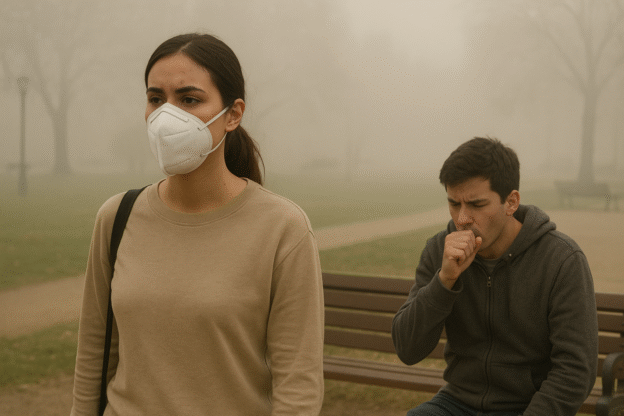
- Stay away from smoke, dust and heavy pollution, and quit smoking completely
- Ask your doctor about flu and pneumonia vaccines
- Eat balanced meals with enough protein, and drink water
- Sleep well; loud snoring or daytime sleepiness may point to sleep apnea, which needs separate testing
Seek urgent care if breathlessness suddenly worsens, phlegm changes colour, you have fever, your lips turn bluish or you feel confused.
Conclusion
COPD cannot be cured, but it can be managed well. Pulmonary rehabilitation gives you the tools to breathe easier, move more and live with greater confidence. Combined with the right medicines and quitting smoking, it is one of the most effective parts of COPD care in pulmonary & respiratory medicine.
If breathlessness is limiting your life, do not wait for it to get worse. Book an appointment with Dr. Utkarsh Gupta at Lung & Life Clinic, Gaur Saundaryam High Street Market, Greater Noida West, or call +91 7042972717.
Frequently Asked Questions (FAQs)
Q1. What is pulmonary rehabilitation for COPD?
Ans. It is a supervised programme of exercise, breathing training, education and nutrition support designed for people with COPD.
Q2. Can pulmonary rehabilitation cure COPD?
Ans. No. It cannot reverse lung damage, but it reduces breathlessness and improves stamina and quality of life.
Q3. Is exercise safe for people with COPD?
Ans. Yes, when it is planned by your doctor and increases slowly. Get a check-up before you begin.
Q4. How soon will I see results?
Ans. Many people notice easier breathing and better stamina within a few weeks of regular sessions and home practice.
Q5. How do I find a pulmonologist in Ghaziabad for COPD care?
Ans. Book a consultation with Dr. Utkarsh Gupta, a pulmonary and sleep specialist at Lung & Life Clinic, Greater Noida West, who also has a clinic in Indirapuram, Ghaziabad.