

Author Archives: anshushukla4200@gmail.com

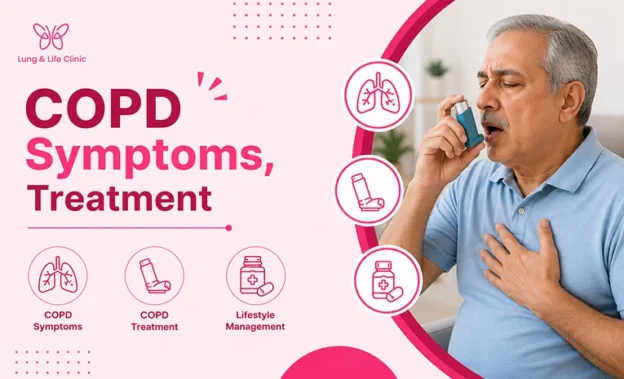
COPD Symptoms, Treatment

COPD Symptoms, Treatment, Causes, Stages, Diagnosis & Prevention

Chronic Obstructive Pulmonary Disease (COPD) is a long-term lung condition that makes it difficult to breathe due to persistent airflow obstruction. It is a progressive disease, meaning symptoms usually worsen over time if left untreated. Early diagnosis, proper treatment, and healthy lifestyle changes can help manage the condition, reduce flare-ups, and improve quality of life.

What Is COPD?

Chronic Obstructive Pulmonary Disease (COPD) is a chronic lung disease that causes persistent airflow obstruction, making it difficult to breathe. It mainly includes chronic bronchitis and emphysema, which damage the airways and air sacs in the lungs. The condition usually develops over time due to long-term exposure to cigarette smoke, air pollution, or harmful chemicals. Although COPD cannot be cured, early diagnosis, proper treatment, and healthy lifestyle changes can help manage symptoms and improve quality of life.

COPD Symptoms You Should Never Ignore

The symptoms of COPD often appear gradually and become more severe over time. Identifying these early warning signs can help you seek prompt medical care, start the right COPD treatment, and reduce the risk of complications.

Common COPD Symptoms

  • Persistent cough: A long-lasting cough that continues for several weeks or months, often producing mucus, is one of the earliest signs of COPD.
  • Shortness of breath (Dyspnea): Feeling breathless during routine activities such as walking, climbing stairs, or exercising is a common symptom that gradually worsens.
  • Excess mucus (Phlegm) production: The airways produce more mucus than normal, leading to frequent throat clearing and coughing throughout the day.
  • Wheezing: A high-pitched whistling sound while breathing occurs due to narrowed or inflamed airways, especially during exhalation.
  • Chest tightness: Many people experience a feeling of pressure, heaviness, or tightness in the chest that can make breathing uncomfortable.
  • Frequent respiratory infections: Recurrent colds, flu, bronchitis, or pneumonia are common because damaged lungs are more vulnerable to infections.
  • Fatigue and reduced stamina: The body uses more energy to breathe, causing persistent tiredness, weakness, and difficulty performing daily tasks.
  • Bluish lips or fingernails (Cyanosis): In advanced COPD, low oxygen levels may cause the lips or fingernails to turn blue, requiring immediate medical attention.

What Causes COPD?

COPD develops when the lungs are exposed to harmful irritants over a long period, leading to chronic inflammation, airway narrowing, and damage to the lung tissue. The following are the most common causes of Chronic Obstructive Pulmonary Disease (COPD):

  • Cigarette Smoking: Smoking is the leading cause of COPD, as long-term exposure to tobacco smoke damages the airways and air sacs, reducing lung function over time.
  • Exposure to Air Pollution and Harmful Fumes: Breathing in air pollution, chemical fumes, industrial dust, or indoor smoke from biomass fuels can irritate the lungs and contribute to COPD.
  • Occupational Dust and Chemicals: People working in industries such as mining, construction, agriculture, and manufacturing may develop COPD due to prolonged exposure to dust, vapors, and toxic chemicals.
  • Genetic Factors: A rare inherited condition called Alpha-1 Antitrypsin Deficiency (AATD) can increase the risk of developing COPD, even in people who have never smoked.
  • Repeated Lung Infections: Frequent respiratory infections during childhood or adulthood can damage the lungs and increase the likelihood of developing chronic airflow obstruction later in life.

Who Is at Risk of Developing COPD?

Certain individuals are more likely to develop Chronic Obstructive Pulmonary Disease (COPD) due to lifestyle, environmental, genetic, and occupational factors. Understanding these risk factors can help with early detection and prevention.

  • Smokers and Former Smokers: People who smoke cigarettes, cigars, or other tobacco products have the highest risk of developing COPD, especially after many years of smoking.
  • Adults Over 40 Years of Age: The risk of COPD increases with age because lung function naturally declines over time, particularly in those with long-term exposure to irritants.
  • People Exposed to Air Pollution or Biomass Smoke: Individuals who regularly inhale air pollution, indoor cooking smoke from wood or coal, or secondhand smoke are at greater risk of lung damage.
  • Workers Exposed to Dust and Chemicals: Those employed in industries such as mining, construction, agriculture, textile manufacturing, and chemical factories are more likely to develop COPD due to prolonged exposure to harmful particles and fumes.
  • People with a Family History or Genetic Disorder: Individuals with a family history of COPD or the inherited condition Alpha-1 Antitrypsin Deficiency (AATD) have an increased likelihood of developing the disease.
  • People with Chronic Asthma: Long-standing or poorly controlled asthma may contribute to permanent airway damage, increasing the risk of COPD later in life.
  • Individuals with Frequent Respiratory Infections: Repeated lung infections, especially during childhood, can impair lung development and raise the risk of chronic lung disease in adulthood.
  • People Living in Highly Polluted Areas: Long-term exposure to urban air pollution, industrial emissions, and vehicle exhaust can gradually damage the lungs and increase the chances of developing COPD.

Stages of COPD and Their Symptoms

COPD is classified into four stages based on the severity of airflow limitation, usually measured by spirometry (lung function test). As the disease progresses, breathing becomes more difficult, and symptoms become more frequent and severe.

COPD Stage Severity Common Symptoms
Stage 1 (Mild COPD) Mild airflow limitation Occasional persistent cough, mild shortness of breath during exercise, slight mucus production, and symptoms that are often overlooked.
Stage 2 (Moderate COPD) Moderate airflow limitation Increased breathlessness, frequent coughing, more phlegm production, wheezing, and difficulty performing daily activities such as climbing stairs.
Stage 3 (Severe COPD) Severe airflow limitation Significant shortness of breath, frequent COPD flare-ups, persistent fatigue, reduced exercise capacity, and recurring respiratory infections.
Stage 4 (Very Severe COPD) Very severe airflow limitation Severe breathing difficulty even at rest, low blood oxygen levels, bluish lips or fingernails (cyanosis), dependence on oxygen therapy, and a markedly reduced quality of life.

How Is COPD Diagnosed?

Diagnosing Chronic Obstructive Pulmonary Disease (COPD) involves evaluating your symptoms, medical history, exposure to risk factors such as smoking, and performing tests to measure lung function. Early diagnosis helps start appropriate COPD treatment and slows disease progression.

  • Spirometry (Lung Function Test): The most important test for diagnosing COPD. It measures how much air you can inhale and exhale and how quickly you can breathe out, helping determine the severity of airflow obstruction.
  • Physical Examination and Medical History: Your doctor will ask about symptoms, smoking history, occupational exposure, family history, and listen to your lungs for wheezing or abnormal breathing sounds.
  • Chest X-ray or CT Scan: Imaging tests help detect lung damage, emphysema, chronic bronchitis, or rule out other conditions such as pneumonia or lung cancer.
  • Pulse Oximetry and Arterial Blood Gas (ABG) Test: These tests measure blood oxygen and carbon dioxide levels to determine how well your lungs are functioning, especially in advanced COPD.
  • Blood Tests: Blood tests may be performed to rule out other illnesses and check for Alpha-1 Antitrypsin Deficiency (AATD), a rare genetic condition associated with COPD.

Also Read:- Ayurvedic Medicine for Sleep

COPD Treatment Options

Although COPD has no cure, the right treatment plan can control symptoms, improve breathing, reduce flare-ups, and slow the progression of the disease. Treatment is based on the severity of COPD, symptoms, and overall health.

  • Bronchodilators: These inhaled medications relax the muscles around the airways, making breathing easier. They are available as short-acting inhalers for quick relief and long-acting inhalers for daily symptom control.
  • Inhaled Corticosteroids (ICS): These medicines reduce airway inflammation and help prevent frequent COPD exacerbations (flare-ups). They are often prescribed along with long-acting bronchodilators.
  • Combination Inhalers: Inhalers containing LABA, LAMA, and ICS provide better symptom control, improve lung function, and lower the risk of hospitalization in people with moderate to severe COPD.
  • Pulmonary Rehabilitation: A medically supervised program that includes exercise training, breathing techniques, nutritional counseling, and education to improve physical endurance, reduce breathlessness, and enhance quality of life.
  • Oxygen Therapy: Patients with low blood oxygen levels (hypoxemia) may require long-term oxygen therapy to improve oxygen delivery, reduce strain on the heart, and support daily activities.
  • Vaccinations and Medications: Annual influenza and pneumococcal vaccines, along with medications such as antibiotics (for bacterial infections) and mucolytics (to loosen mucus), help prevent complications and manage symptoms.
  • Lifestyle Changes: Quitting smoking, avoiding tobacco smoke and air pollution, exercising regularly, maintaining a healthy weight, staying hydrated, and following the prescribed treatment plan are essential for effective COPD management.
  • Surgical Treatment: In advanced cases, procedures such as lung volume reduction surgery, bullectomy, or lung transplantation may be recommended when medications and other therapies no longer provide adequate symptom relief.

Also Read:- Asthma Symptoms in Adults

Lifestyle Changes to Manage COPD

Making healthy lifestyle changes is an important part of COPD management. These habits can improve breathing, reduce symptoms, lower the risk of flare-ups, and enhance overall quality of life.

  • Quit Smoking: Stopping smoking is the most effective way to slow the progression of COPD and protect the lungs from further damage.
  • Stay Physically Active: Engage in regular low-impact exercises such as walking, cycling, or swimming to strengthen the lungs, improve endurance, and reduce breathlessness.
  • Practice Breathing Exercises: Techniques like pursed-lip breathing and diaphragmatic breathing help improve airflow, reduce shortness of breath, and make daily activities easier.
  • Follow a Healthy Diet: Eat a balanced diet rich in fruits, vegetables, whole grains, lean proteins, and healthy fats to maintain energy levels and support lung health.
  • Avoid Air Pollutants: Minimize exposure to dust, smoke, chemical fumes, secondhand smoke, and outdoor air pollution by using masks or staying indoors when air quality is poor.
  • Stay Up to Date with Vaccinations: Get recommended influenza, pneumococcal, and COVID-19 vaccines to reduce the risk of respiratory infections that can trigger COPD exacerbations.
  • Take Medications as Prescribed: Use inhalers and other COPD medications correctly and consistently, and attend regular follow-up appointments to monitor lung function.
  • Maintain a Healthy Weight and Stay Hydrated: Keeping a healthy body weight reduces the workload on the lungs, while drinking enough water helps keep mucus thin and easier to clear from the airways.

COPD Symptoms, Treatment FAQs

1. What are the early symptoms of COPD?

Early COPD symptoms include a persistent cough, shortness of breath during physical activity, increased mucus production, wheezing, and chest tightness. These symptoms usually develop gradually and worsen over time.

2. What is the main cause of COPD?

The leading cause of COPD is long-term cigarette smoking. Other causes include exposure to secondhand smoke, air pollution, occupational dust and chemicals, biomass fuel smoke, and the genetic condition Alpha-1 Antitrypsin Deficiency (AATD).

3. Can COPD be cured?

No, COPD cannot be cured because the lung damage is permanent. However, medications, pulmonary rehabilitation, oxygen therapy, and healthy lifestyle changes can effectively manage symptoms and slow disease progression.

4. How is COPD diagnosed?

Doctors diagnose COPD using spirometry, along with a physical examination, medical history, chest X-ray or CT scan, pulse oximetry, and other tests to evaluate lung function and rule out other conditions.

5. What is the best treatment for COPD?

The best COPD treatment depends on the severity of the disease and may include bronchodilator inhalers, inhaled corticosteroids, pulmonary rehabilitation, oxygen therapy, smoking cessation, and lifestyle modifications.

6. Can exercise help people with COPD?

Yes. Regular exercise and pulmonary rehabilitation improve lung efficiency, increase stamina, strengthen respiratory muscles, and reduce breathlessness, making daily activities easier.

7. How can COPD be prevented?

You can lower your risk of COPD by not smoking, avoiding secondhand smoke and air pollution, wearing protective equipment at work, getting recommended vaccinations, and seeking prompt treatment for respiratory infections.

8. Is COPD life-threatening?

COPD can become life-threatening in advanced stages if left untreated. However, early diagnosis, proper treatment, and healthy lifestyle changes can significantly improve quality of life and reduce the risk of serious complications.
Asthma Symptoms in Adults

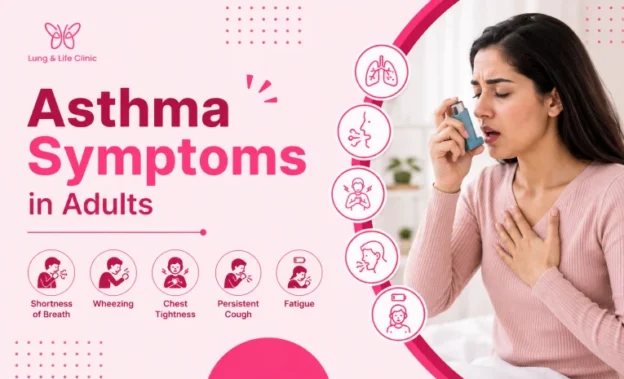
Asthma Symptoms in Adults, Causes, Types, Diagnosis & Treatment

Asthma Symptoms in Adults can vary from mild and occasional to severe and persistent. Asthma is a chronic inflammatory disease of the airways that causes the breathing passages to become swollen, narrow, and filled with excess mucus, making it difficult to breathe. The condition often develops gradually, and symptoms may worsen at night, during exercise, after exposure to allergens, or during respiratory infections. Recognizing the early signs of asthma can help prevent severe attacks and improve long-term lung health.

What Is Asthma?

Asthma is a chronic lung disease that causes inflammation and narrowing of the airways, making it difficult to breathe. It can lead to symptoms such as wheezing, coughing, chest tightness, and shortness of breath. Asthma symptoms may come and go and are often triggered by allergens, exercise, cold air, or respiratory infections. Although there is no cure, asthma can be effectively managed with proper medication and lifestyle changes.

Asthma Types

Asthma is classified into different types based on its cause, triggers, severity, and when the symptoms occur, helping doctors choose the most effective treatment.

  • Allergic Asthma: Triggered by allergens such as pollen, dust mites, pet dander, mold, and cockroaches.
  • Non-Allergic Asthma: Caused by cold air, stress, smoke, respiratory infections, or strong odors rather than allergies.
  • Adult-Onset Asthma: Develops after the age of 20 and is often more persistent than childhood asthma.
  • Childhood Asthma: Begins during childhood and may improve or continue into adulthood.
  • Exercise-Induced Asthma: Symptoms occur during or after physical activity, causing wheezing, coughing, and breathlessness.
  • Occupational Asthma: Triggered by exposure to chemicals, dust, fumes, gases, or other workplace irritants.
  • Seasonal Asthma: Symptoms worsen during certain seasons due to pollen, humidity, or weather changes.
  • Nocturnal Asthma: Symptoms become more severe at night, often disturbing sleep.
  • Severe Asthma: A difficult-to-control form that requires high-dose medications or biologic therapies despite regular treatment.
  • Cough-Variant Asthma: The primary symptom is a persistent dry cough, with little or no wheezing.

Asthma Symptoms in Adults

Asthma symptoms in adults occur when the airways become inflamed, swollen, narrowed, and filled with excess mucus, making it difficult for air to move in and out of the lungs. Symptoms may appear daily, occasionally, or only after exposure to specific triggers such as allergens, exercise, cold air, smoke, or respiratory infections.

  • Shortness of Breath: Feeling breathless or unable to get enough air, especially during physical activity or at night.
  • Chronic Cough: A persistent cough, often dry, that is usually worse at night, early morning, or after exercise.
  • Wheezing: A high-pitched whistling sound while breathing, particularly during exhalation.
  • Chest Tightness: A feeling of pressure, heaviness, or constriction in the chest that can make breathing uncomfortable.
  • Difficulty Breathing During Exercise: Experiencing breathlessness, coughing, or wheezing during or after physical activity.
  • Nighttime Symptoms: Frequent coughing, wheezing, or shortness of breath that disrupts sleep.
  • Rapid Breathing: Breathing faster than normal during asthma flare-ups due to reduced airflow.
  • Excess Mucus Production: Increased mucus in the airways, leading to throat clearing and coughing.
  • Fatigue: Feeling tired or low in energy because the body receives less oxygen and sleep is disturbed.
  • Difficulty Speaking: During severe episodes, it may become hard to speak in full sentences due to breathlessness.
  • Symptoms Triggered by Allergens or Irritants: Exposure to dust, pollen, pet dander, smoke, strong odors, pollution, or cold air can worsen symptoms.
  • Frequent Respiratory Infections: Asthma symptoms may become more severe during or after colds, flu, or other respiratory infections.

Asthma Causes

Asthma develops due to a combination of genetic, environmental, and lifestyle factors that cause chronic inflammation and increased sensitivity of the airways. While the exact cause varies from person to person, certain risk factors and triggers can increase the likelihood of developing asthma or worsening its symptoms.

  • Genetics: A family history of asthma, allergies, or eczema increases the risk of developing asthma.
  • Allergies: Exposure to pollen, dust mites, mold, pet dander, and cockroaches can trigger allergic asthma.
  • Respiratory Infections: Viral infections such as the common cold, flu, or RSV can inflame the airways and trigger asthma symptoms.
  • Air Pollution: Breathing polluted air, vehicle emissions, and industrial smoke can worsen airway inflammation.
  • Smoking: Active smoking and exposure to secondhand smoke significantly increase the risk of asthma and severe attacks.
  • Occupational Exposure: Contact with chemical fumes, dust, paints, cleaning agents, flour dust, or industrial gases at work can cause occupational asthma.
  • Exercise: Intense physical activity, especially in cold or dry air, may trigger exercise-induced asthma.
  • Cold Air and Weather Changes: Sudden temperature changes or breathing cold, dry air can cause airway narrowing.
  • Strong Odors and Chemicals: Perfumes, air fresheners, cleaning products, paints, and chemical fumes may trigger symptoms.
  • Obesity: Excess body weight can increase inflammation and place additional strain on the lungs, raising the risk of asthma.
  • Hormonal Changes: Hormonal fluctuations during pregnancy, menopause, or the menstrual cycle may contribute to asthma symptoms in some adults.
  • Stress and Anxiety: Emotional stress and anxiety can worsen asthma symptoms by affecting breathing patterns.
  • Gastroesophageal Reflux Disease (GERD): Acid reflux can irritate the airways and trigger coughing and asthma flare-ups.

Diagnosis and Tests of Asthma

Diagnosing asthma involves evaluating your symptoms, medical history, family history, and lung function. A healthcare provider may perform several tests to confirm asthma, rule out other respiratory conditions, and determine the severity of the disease.

  • Medical History: The doctor asks about breathing difficulties, coughing, wheezing, chest tightness, allergies, smoking history, and family history of asthma.
  • Physical Examination: A physical exam includes listening to the lungs with a stethoscope and checking for signs of allergies or other respiratory conditions.
  • Spirometry: The most common lung function test, which measures how much air you can breathe in and out and how quickly you exhale.
  • Peak Expiratory Flow (PEF) Test: Measures how fast you can blow air out of your lungs, helping monitor asthma severity and control.
  • Bronchodilator Reversibility Test: Spirometry is repeated after using a bronchodilator (rescue inhaler) to see if lung function improves, which supports an asthma diagnosis.
  • Fractional Exhaled Nitric Oxide (FeNO) Test: Measures the level of nitric oxide in exhaled breath, which indicates airway inflammation.
  • Methacholine Challenge Test: Used when routine lung function tests are normal but asthma is still suspected. The test checks whether the airways become overly sensitive after inhaling methacholine.
  • Allergy Testing: Skin prick tests or blood tests help identify allergens such as pollen, dust mites, mold, or pet dander that may trigger asthma.
  • Blood Tests: May be performed to check for allergic inflammation, elevated eosinophil levels, or to rule out other conditions.
  • Chest X-ray: Helps exclude other lung diseases, such as pneumonia, chronic obstructive pulmonary disease (COPD), or lung infections.
  • CT Scan (if needed): Recommended in selected cases to evaluate structural abnormalities or other lung conditions.
  • Exercise Challenge Test: Assesses whether physical activity triggers asthma symptoms, helping diagnose exercise-induced asthma.
  • Pulse Oximetry: Measures the oxygen level in the blood, especially during an asthma attack or severe breathing difficulty.
  • Sputum Examination: In some cases, mucus is analyzed to detect eosinophils or signs of infection.

Asthma Management and Treatment

Asthma cannot be cured, but it can be effectively managed with the right medications, regular monitoring, and lifestyle changes. The goal of treatment is to control symptoms, prevent asthma attacks, maintain normal lung function, and help individuals lead an active, healthy life.

Medications for Asthma

  • Quick-Relief (Rescue) Inhalers: Provide rapid relief during an asthma attack by relaxing the airway muscles. These are used only when symptoms occur.
  • Inhaled Corticosteroids (ICS): The first-line long-term treatment that reduces airway inflammation and helps prevent asthma symptoms.
  • Long-Acting Beta-Agonists (LABAs): Help keep the airways open for longer periods and are usually prescribed along with inhaled corticosteroids.
  • Combination Inhalers: Contain both an inhaled corticosteroid and a long-acting bronchodilator for better long-term asthma control.
  • Leukotriene Modifiers: Oral medications that help reduce airway inflammation and prevent asthma symptoms.
  • Biologic Therapies: Injectable medications used to treat severe asthma that does not respond to standard treatments.
  • Oral Corticosteroids: Short courses may be prescribed during severe asthma flare-ups to reduce inflammation.

Also Read: Ayurvedic Medicine for Sleep

Lifestyle and Self-Care Measures

  • Avoid Triggers: Stay away from dust, pollen, smoke, pet dander, mold, strong perfumes, and air pollution whenever possible.
  • Quit Smoking: Smoking and secondhand smoke can significantly worsen asthma symptoms.
  • Maintain a Healthy Weight: Achieving a healthy body weight can improve breathing and reduce asthma severity.
  • Exercise Regularly: Engage in doctor-approved physical activity to improve lung function while taking precautions if exercise triggers symptoms.
  • Manage Allergies: Treating allergies can help reduce asthma flare-ups.
  • Prevent Respiratory Infections: Practice good hygiene and stay up to date with recommended vaccinations to lower the risk of infections that may trigger asthma.
  • Reduce Stress: Managing stress and anxiety through relaxation techniques or counseling may help reduce asthma symptoms.
  • Use Inhalers Correctly: Proper inhaler technique ensures the medication reaches the lungs effectively.
  • Monitor Symptoms: Keep track of symptoms or use a peak flow meter if recommended by your healthcare provider.
  • Follow an Asthma Action Plan: Work with your doctor to create a personalized plan that outlines daily treatment and what to do during worsening symptoms.

Asthma Symptoms in Adults FAQs

1. What are the common symptoms of asthma in adults?

The most common symptoms include shortness of breath, wheezing, chronic cough, chest tightness, rapid breathing, and difficulty breathing during exercise or at night.

2. Can adults develop asthma later in life?

Yes, adult-onset asthma can develop at any age, even if you never had asthma as a child. It is often more persistent and may require long-term treatment.

3. What triggers asthma symptoms in adults?

Common triggers include allergens, dust mites, pollen, pet dander, smoke, air pollution, respiratory infections, cold air, exercise, stress, and strong chemical odors.

4. How is asthma diagnosed?

Doctors diagnose asthma using medical history, physical examination, spirometry, peak flow testing, allergy tests, FeNO testing, and other lung function tests.

5. Is asthma curable?

No, asthma cannot be cured, but it can be effectively managed with medications, avoiding triggers, and following an asthma action plan.

6. Can asthma symptoms be worse at night?

Yes. Many people experience nighttime asthma, where coughing, wheezing, and shortness of breath worsen during sleep or in the early morning hours.

ayurvedic medicine for sleep

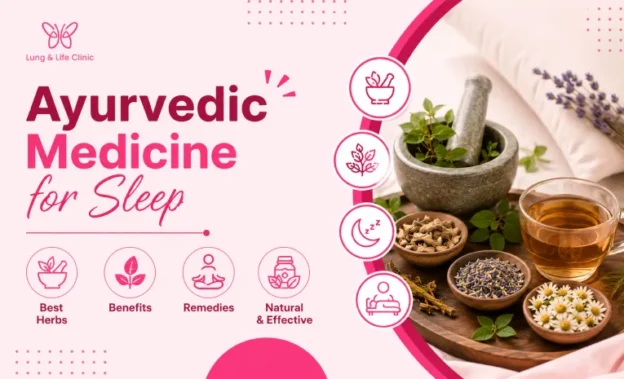
Ayurvedic Medicine for Sleep, Best Herbs, Benefits, Remedies

Sleep is one of the three pillars of health (Trayopastambha) in Ayurveda, along with proper diet and balanced lifestyle. Poor sleep not only causes fatigue but also affects digestion, immunity, mental health, memory, and hormonal balance. Instead of merely suppressing symptoms, Ayurvedic medicine for sleep aims to identify and correct the root cause of insomnia by restoring balance to the body’s natural energies (Doshas).

Ayurveda recommends a combination of herbal medicines, dietary changes, relaxation techniques, massage therapy, and healthy bedtime habits to promote deep, restful, and natural sleep. These remedies are generally non-habit-forming when used appropriately and under the guidance of a qualified Ayurvedic practitioner.

Why Do Sleep Problems Occur According to Ayurveda?

Sleep problems in Ayurveda are believed to arise when the body’s Doshas (Vata, Pitta, and Kapha) become imbalanced, disrupting the natural sleep cycle. Factors such as stress, poor digestion, unhealthy lifestyle habits, and emotional disturbances can aggravate these imbalances and lead to disturbed or insufficient sleep.

  • Vata imbalance causes anxiety, overthinking, restlessness, and frequent waking during the night.
  • Pitta imbalance leads to difficulty staying asleep, overheating, and waking up in the early morning hours.
  • Kapha imbalance may result in excessive sleep, daytime drowsiness, and sluggishness.
  • Mental stress and anxiety overstimulate the mind, making it difficult to fall asleep.
  • Poor digestion (Agni imbalance) can interfere with the body’s natural sleep rhythm.
  • Irregular sleep schedules disrupt the body’s internal biological clock.
  • Late-night meals and heavy dinners may impair digestion and disturb sleep.
  • Excessive screen time before bed overstimulates the nervous system.
  • Excess caffeine or stimulants can delay sleep onset and reduce sleep quality.
  • Aging and hormonal changes may naturally alter sleep patterns and duration.

Best Ayurvedic Medicines for Sleep

Sleep disorders in Ayurveda are managed by selecting herbs based on the underlying Dosha imbalance, stress levels, and overall health. The following Ayurvedic medicines are traditionally used to calm the mind, relax the nervous system, and promote natural, restorative sleep.

  • Ashwagandha (Withania somnifera): Helps reduce stress, anxiety, and cortisol levels, relaxes the nervous system, and promotes deep, restorative sleep. Commonly used for stress-related insomnia.
  • Brahmi (Bacopa monnieri): Calms the mind and nervous system, reduces overthinking, improves memory and concentration, and supports better sleep quality.
  • Jatamansi (Nardostachys jatamansi): A natural calming herb that reduces restlessness, eases anxiety, and helps improve sleep duration and quality.
  • Tagara (Valeriana wallichii): Promotes relaxation and uninterrupted sleep, reduces nervous tension, and may help people fall asleep faster.
  • Shankhpushpi (Convolvulus pluricaulis): Helps relieve mental stress and fatigue, calms the brain, and supports healthy sleep patterns.
  • Guduchi (Tinospora cordifolia): Supports stress management, immunity, and overall well-being, indirectly contributing to improved sleep.
  • Yashtimadhu (Licorice): Helps reduce fatigue and physical exhaustion, supports adrenal health, and may improve sleep when used under medical guidance.
  • Sarpagandha (Rauwolfia serpentina): Traditionally used to calm the nervous system and promote sleep, but should only be taken under the supervision of a qualified healthcare professional due to its potent effects.

Traditional Evening Rituals & Tonics for Sleep

  • Warm Turmeric Milk (Golden Milk): Drinking warm milk with a pinch of turmeric before bedtime is traditionally believed to relax the body, support digestion, and promote restful sleep.
  • Nutmeg (Jaiphal) Milk: A small pinch of nutmeg powder mixed in warm milk is a traditional Ayurvedic bedtime tonic that may help calm the mind and encourage natural sleep. It should be consumed only in small amounts.
  • Herbal Bedtime Tea: Herbal teas prepared with Brahmi, Ashwagandha, Tulsi, Chamomile, or Lavender may help reduce stress, relax the nervous system, and improve sleep quality.
  • Warm Ghee: Consuming a small amount of cow’s ghee with warm milk or as part of dinner is believed to nourish the nervous system, balance Vata, and support healthy sleep.
  • Foot Massage (Padabhyanga): Gently massaging the soles of the feet with warm sesame oil, Brahmi oil, or ghee before bed helps relax the body, reduce stress, and promote deeper sleep.
  • Abhyanga (Self-Oil Massage): A warm oil massage using sesame or medicated Ayurvedic oils before bathing or bedtime helps calm Vata, relieve muscle tension, and prepare the body for restful sleep.
  • Meditation and Pranayama: Practicing Anulom Vilom, Bhramari, or Nadi Shodhana along with 10–15 minutes of meditation helps quiet the mind, reduce anxiety, and improve sleep onset.
  • Early Light Dinner: Eating a light, warm dinner 2–3 hours before bedtime supports healthy digestion and minimizes sleep disturbances caused by indigestion.

Book Appointment

Popular Ayurvedic Formulations

Ayurveda uses several classical herbal formulations to support healthy sleep by calming the nervous system, reducing stress, and balancing the Doshas. These formulations should be taken only under the guidance of a qualified Ayurvedic practitioner.

  • Ashwagandha Churna: Helps reduce stress, anxiety, and fatigue while promoting restful sleep and relaxation.
  • Ashwagandha Capsules: A convenient form of Ashwagandha that supports stress management and improves sleep quality.
  • Brahmi Vati: Calms the mind and nervous system, helping reduce overthinking, anxiety, and sleep disturbances.
  • Brahmi Ghrita: A medicated ghee formulation traditionally used to improve mental calmness, memory, and sleep.
  • Saraswatarishta: Supports mental health, emotional balance, and relaxation, making it useful for stress-related insomnia.
  • Manasamitra Vatakam: A classical Ayurvedic formulation used to help manage anxiety, restlessness, and chronic sleep disorders.
  • Kalyanaka Ghrita: Traditionally prescribed to support mental well-being, emotional stability, and healthy sleep.
  • Jatamansi Churna: Helps calm the mind, reduce nervous tension, and improve sleep quality.
  • Tagara Churna: Promotes relaxation and uninterrupted sleep by soothing the nervous system.

Ayurvedic Medicine for Sleep FAQs

Q. What is the best Ayurvedic medicine for sleep?

Commonly used Ayurvedic herbs for improving sleep include Ashwagandha, Brahmi, Jatamansi, Tagara, and Shankhpushpi. The best option depends on the underlying cause of the sleep problem and individual health needs.

Q. Can Ayurvedic medicine help treat insomnia?

Ayurveda aims to manage insomnia by addressing its root causes through herbal medicines, dietary changes, lifestyle modifications, yoga, and stress management, rather than only relieving symptoms.

Q. How long does Ayurvedic medicine take to improve sleep?

Some people notice improvements within 2–4 weeks, while chronic sleep problems may require several weeks or months of consistent treatment and lifestyle changes.

Q. Is Ayurvedic medicine for sleep safe?

When taken as prescribed and under the guidance of a qualified Ayurvedic practitioner, many Ayurvedic medicines are generally considered safe. Self-medication should be avoided, especially during pregnancy, breastfeeding, or if you have chronic health conditions.

Q. Can I take Ayurvedic medicine with sleeping pills?

Some Ayurvedic herbs may interact with prescription medications or sedatives. Always consult your doctor or an Ayurvedic physician before combining treatments.

Q. Are Ayurvedic sleep medicines habit-forming?

Most traditional Ayurvedic herbs are not considered habit-forming like many conventional sleeping pills. However, they should still be used responsibly and under professional supervision.